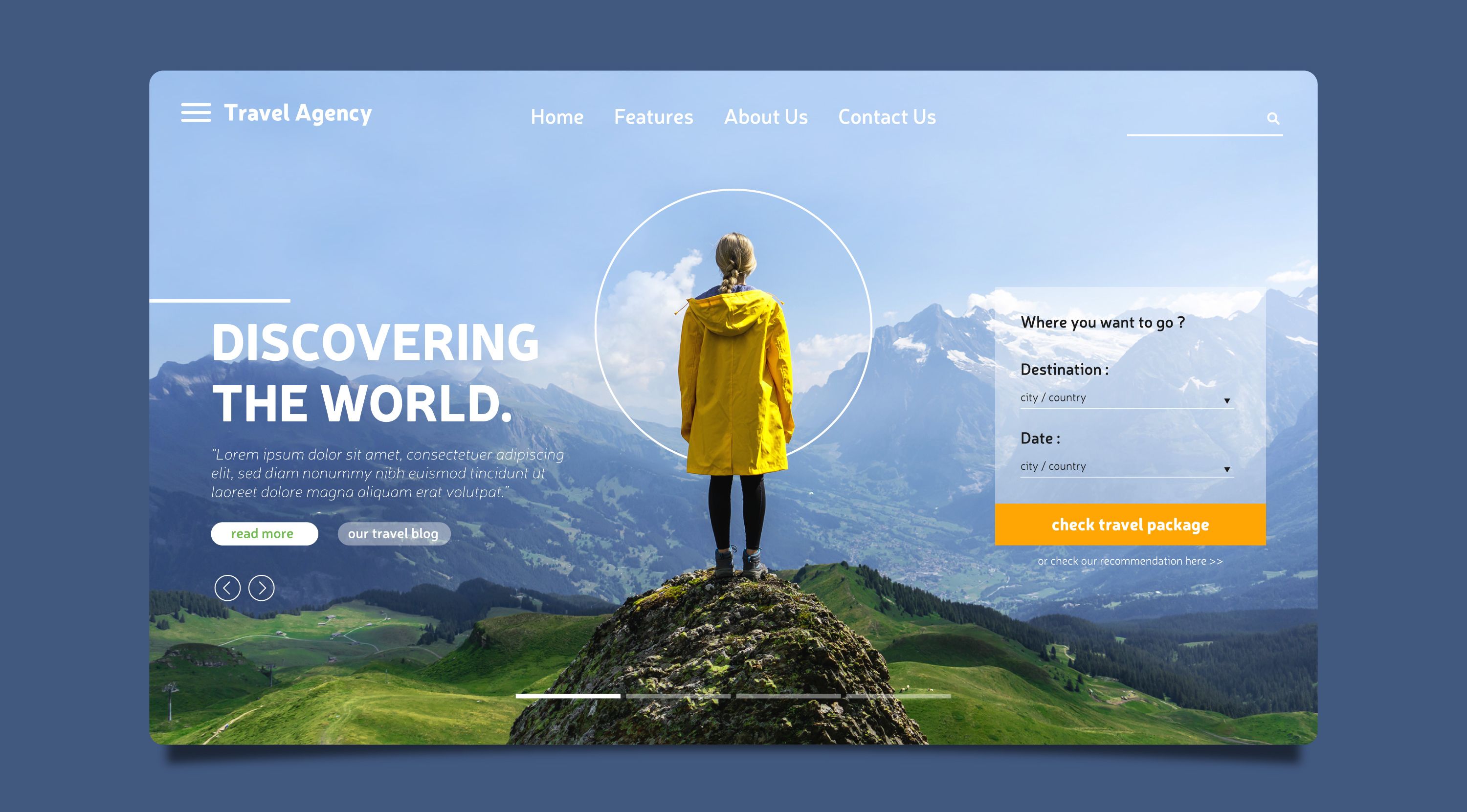
What Is a Landing Page?
A landing page is a standalone web page created with one primary objective: conversion.
Visitors “land” on this page after clicking a link from a specific marketing source — such as a paid advertisement, email campaign, social media post or search engine result. Unlike a homepage, which serves multiple purposes, a landing page is designed around a single focused action.
That action can be:
- Signing up for a free trial
- Downloading a resource
- Booking a demo
- Making a purchase
- Subscribing to a newsletter
The entire structure of the page supports that one goal. Nothing else.
Why Landing Pages Exist
In digital marketing, clarity drives results.
When someone clicks on an ad, they already have intent. Sending them to a general homepage introduces distractions — navigation menus, blog posts, service pages and multiple competing CTAs.
Landing pages eliminate those distractions.
They remove unnecessary navigation, reduce cognitive overload and guide the visitor toward one clearly defined outcome. This focused design significantly increases conversion rates and reduces customer acquisition costs.
Where Landing Pages Deliver the Most Value
Landing pages are especially effective in:
- Paid advertising campaigns (Google Ads, Meta Ads)
- Email marketing funnels
- Product launches
- SaaS free trial campaigns
- Lead generation strategies
For example, if someone clicks a paid ad promoting a specific product, the landing page should match the exact message, tone and offer from that ad. Message consistency increases trust and improves campaign performance.
When traffic source, message and offer align, conversion becomes predictable.
Landing Page vs Homepage: What’s the Difference?
Understanding this distinction is essential.
Homepage
A homepage is designed for broad exploration. It introduces your brand, showcases multiple services and helps different types of visitors navigate your website.
It typically includes:
- Full navigation menu
- Multiple internal links
- Several sections serving different purposes
- Various CTAs
Landing Page
A landing page is built for a targeted audience arriving from a specific campaign.
It typically includes:
- Minimal or no navigation
- One focused offer
- One primary CTA
- Content tailored to a specific audience segment
A homepage builds awareness.
A landing page drives action.

Side-by-side comparison of website designs: on the left, a minimalist landing page with a bold headline, concise content, and one clear CTA button drawing attention; on the right, a full-featured homepage with multiple menus, diverse content sections, banners, and links for exploring the site.
Core Elements of a High-Converting Landing Page
A successful landing page follows a strategic structure.
Compelling Headline
The headline is the most important element. It should immediately communicate value and capture attention. Clear, benefit-driven messaging performs better than vague creative language.
A strong headline answers:
What problem do you solve and why should the visitor care?
Supporting Subheadline and Description
The supporting text reinforces the main promise and briefly explains how the offer works. It should remain concise and focused on benefits rather than features.
Visual Reinforcement
Images or short videos increase engagement and build credibility. Visuals should demonstrate the product, illustrate results or show the service in action.
Avoid decorative images that do not support the message.
Clear and Prominent Call-to-Action
The CTA must be easy to understand and visually distinct.
Effective CTA examples include:
- Start Free Trial
- Get Instant Access
- Download Now
- Request a Demo
The CTA should appear above the fold and be repeated strategically throughout the page.
Social Proof and Trust Signals
People rarely convert without reassurance.
Strong landing pages include:
- Testimonials
- Case studies
- Client logos
- Star ratings
- Security badges
Final Thoughts
Landing pages are one of the most powerful assets in digital marketing because they remove distractions and focus entirely on results.
If your campaigns are generating clicks but not conversions, the problem may not be traffic volume. It may be the experience users encounter after they click.
That experience is your landing page.